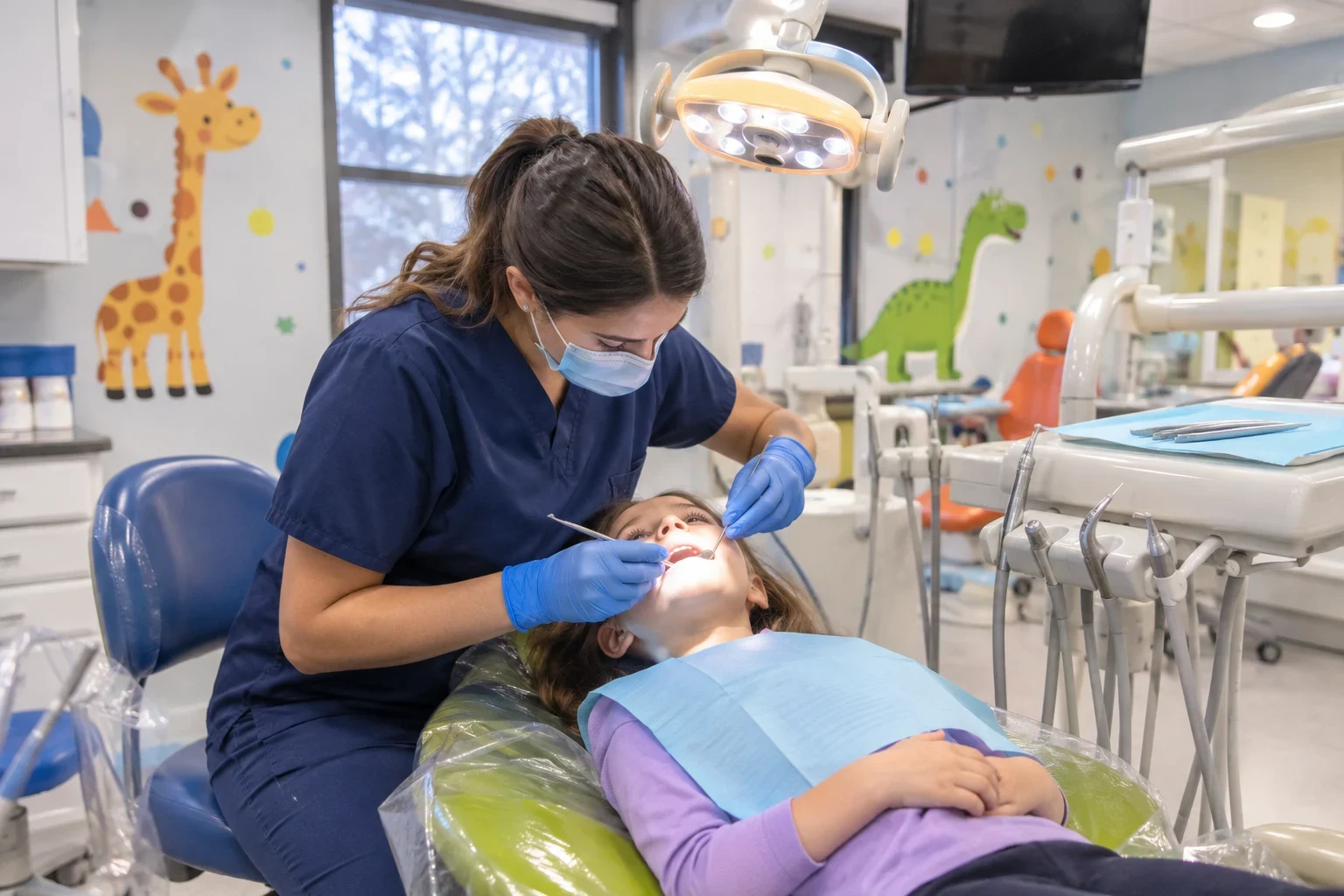
Pediatric Dentistry in Marlborough, Made Clear
We care for babies, kids and teens with exams and cleanings, sealants, fluoride treatment, fillings and pediatric crowns, plus gentler options like sedation dentistry when a child needs it. Families come to us from Marlborough, Hudson and Northborough for calm visits and straight answers about every choice.
- 11+ years in practice
- Options described plainly
- Unhurried, kid-friendly visits
- Most insurance plans accepted
Dental Care Built Around Growing Smiles
We bring 11+ years in practice to children's teeth, from the first tooth through the teen years. Most visits are preventive: a checkup, a cleaning, maybe sealants or fluoride. When a tooth does need treatment, we cover fillings, root canals, extractions, pediatric crowns, space maintainers and frenectomies, and we walk you through what each one involves before anything starts.
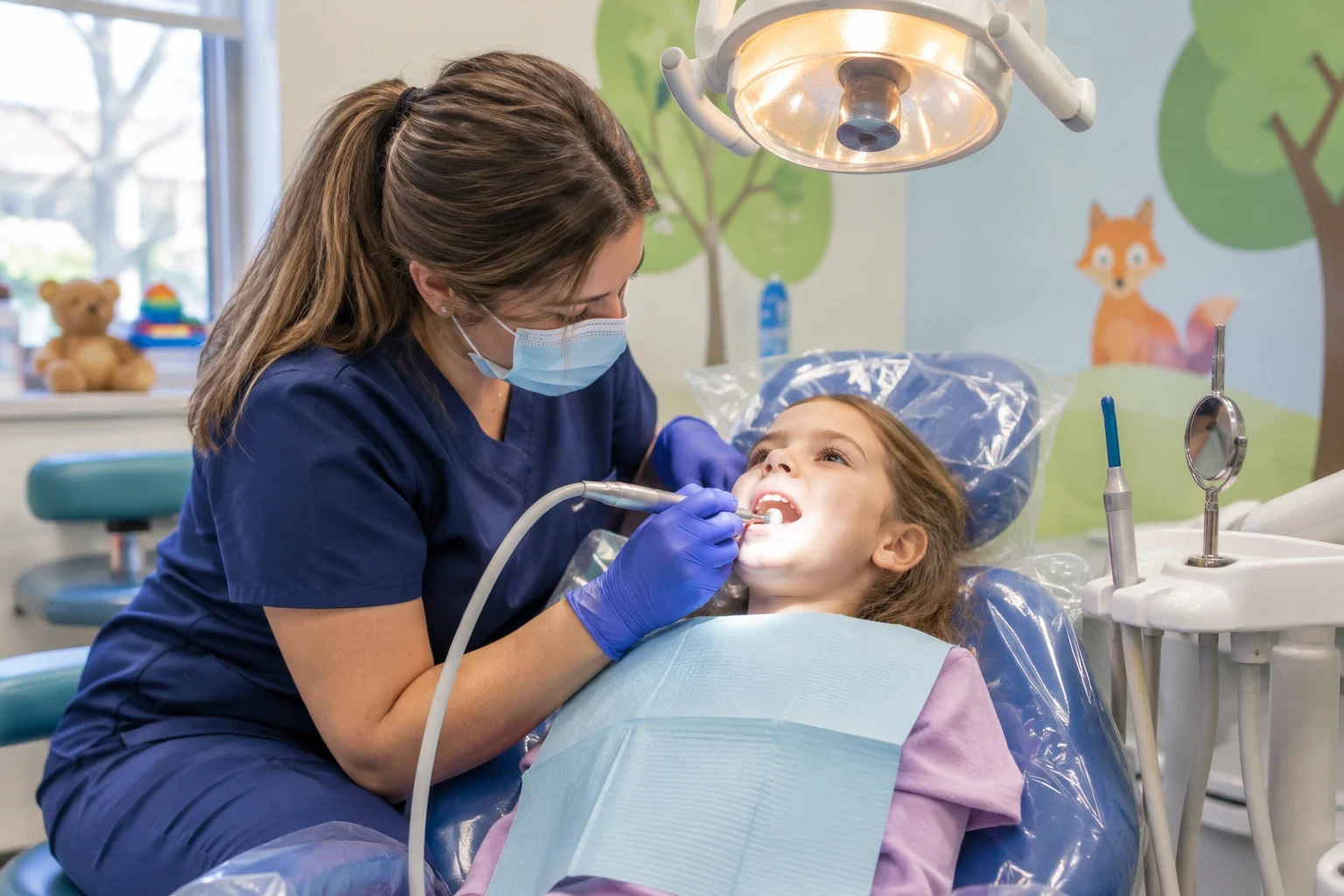
Exams & Cleanings
Regular checkups and gentle cleanings that catch small problems early and help your child feel at ease in the dental chair.
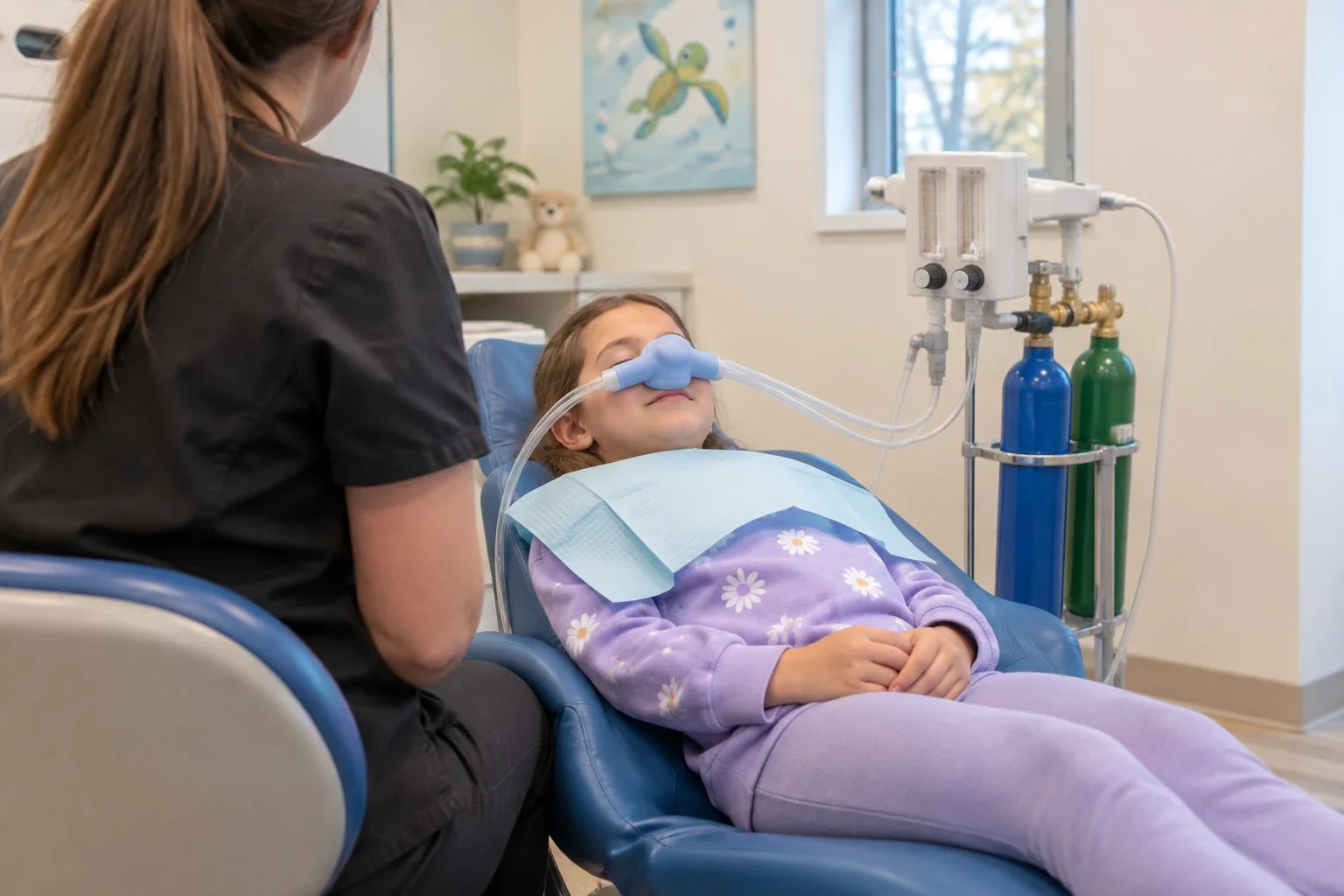
Sedation Dentistry
Help for anxious or very young kids during dental work, with a health review first and plain answers about what each sedation option means.
Fillings
When a cavity needs treatment, we remove the decay, seal the tooth with a tooth-colored material and explain each choice to you in plain terms.
Root Canals
When decay or an injury reaches the nerve of a tooth, a pulpotomy or pulpectomy can save it. Here is what each one involves for your child.
Extractions
When a baby tooth won't let go or a tooth can't be saved, we remove it gently and explain what it means for the teeth still growing in.
Frenectomies
Tongue-tie and lip-tie evaluation and release for babies and kids, with a clear answer on whether treatment will actually help.
Sealants
A thin protective coating painted into the deep grooves of back teeth, applied without drilling or numbing, to keep food and bacteria out.
Space Maintainers
A small custom appliance that holds the gap after a baby tooth is lost early, so the adult tooth underneath has room to come in straight.
Pediatric Crowns
When a baby or young permanent tooth is too damaged for a filling, a small crown covers and protects it until it is ready to fall out or be restored for good.
Fluoride Treatment
A thin coat of fluoride varnish painted on in about a minute to help your child's enamel resist the early stages of decay.
How We Work With Kids and Parents
A child settles faster when the grown-up beside them is calm and informed. That is why we talk to your child in kid-sized words first, then give you the full version.
Every option in plain English
If we find a cavity, we show you where it is on the X-ray or intraoral photo and lay out the choices. A small spot on a baby molar might mean a filling, watching it, or a crown if the decay is deep. You hear what each path means for your child now and as adult teeth come in.
Tell, show, then do
Before we use an instrument, we name it and let your child see or touch it. The mirror is a mirror, the air sprayer is a little wind. Small steps like this turn a nervous first visit into an ordinary one.
Materials chosen for small teeth
Baby teeth have thinner enamel than adult teeth, so decay travels faster. We use tooth-colored fillings, sealants and fluoride varnish suited to children, and we tell you why a given material fits a given tooth.
No pressure to do more
Sometimes the honest answer is to wait and watch, especially with a tooth that will fall out soon. We will tell you when treatment can safely hold off and when it should not.
Comfort options when they help
Most kids do well with a gentle, patient approach. For anxious children, very young patients or longer treatment, we talk through sedation dentistry so you can decide with the full picture.
What Shapes the Cost of Your Child's Care
Pediatric dental costs depend on what your child needs and how your plan covers it. Preventive visits are usually the most predictable. Treatment varies, and we would rather go over the reasons up front than surprise you later.
After the exam we go over the recommended treatment, what it involves and how your plan is likely to apply, all before any work begins, so you can plan with no guesswork.
- Type of treatment
- Each treatment asks for different chair time and material. Cleanings and sealants are quick and preventive, fillings take longer, and crowns cover the whole tooth. A pulpotomy, the baby-tooth version of a root canal in many cases, falls between a filling and a crown.
- How many teeth are involved
- One small cavity costs less to treat than several. Catching decay at a checkup often keeps it to a single tooth and a simpler fix.
- How early it is found
- A shallow cavity can take a small filling. Left longer, the same spot may need a crown or an extraction plus a space maintainer, so regular exams tend to keep costs down.
- Sedation or comfort options
- If your child needs sedation dentistry for a longer visit, that adds to the cost. We discuss whether it is truly needed before you decide.
- X-rays and imaging
- How often X-rays are taken depends on your child's age and cavity risk. We only take them when they tell us something useful.
- Your insurance plan
- Plans differ on how they cover sealants, fluoride and restorative work, and on frequency limits. We work with most insurance plans and can help you understand what your coverage generally includes.
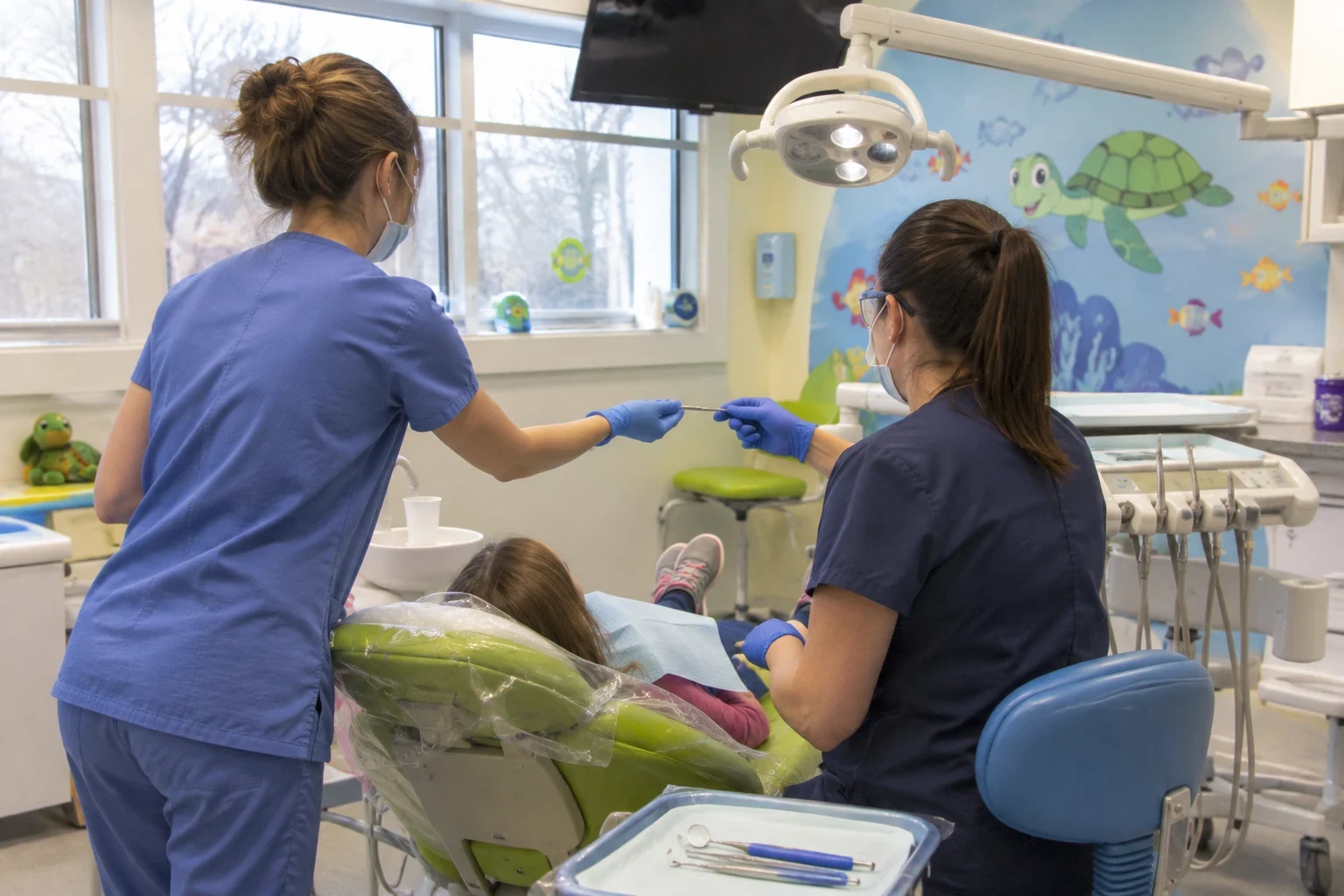
A Pediatric Practice That Talks Before It Treats
Our work is built around children, from the first tooth through the teen years. That focus shapes everything, from how we talk in the chair to how we pick materials sized for small mouths and growing jaws.
For many parents, the hardest part of dental care is not knowing what is going on. So we make clear answers part of the work. You will know what a sealant actually does, why a baby tooth with a cavity is still worth saving, and what a space maintainer is holding open for the adult tooth underneath.
Our goal is simple: healthy teeth, a child who is not afraid to come back, and parents who feel informed rather than sold to.
- In business
- 11+ years in practice
What a Visit Looks Like
Here is how things usually go, from your first phone call to the follow-up.
- 1
A phone call to set things up
You call to book an appointment or complete new patient registration. We ask about your child's age, any concerns and your insurance, and answer questions about what to expect.
- 2
A calm first visit
We start slowly, with time to meet the team and get settled in the chair. For babies and toddlers, the exam often happens with your child in your lap, knee to knee with the dentist.
- 3
Exam, cleaning and a clear rundown
We check teeth, gums, bite and how the jaw is developing, then clean and polish. Afterward we sit down with you and walk through what we saw, with photos or X-rays when they help.
- 4
Treatment, if it is needed
If a tooth needs care, we lay out the options and schedule it at a time that suits your child. Many fillings and sealants take one short visit.
- 5
Simple guidance for between visits
You leave with practical tips for brushing, flossing and snacks for your child's age, and a reminder for the next checkup, typically every six months.
Families We Serve Around Marlborough
Our office is in Marlborough, MA, and we see kids from across the surrounding area. Many families drive in from Hudson, Northborough, Southborough, Stow and Berlin. Others come from Cordaville, Framingham, Shrewsbury, Westborough and Hopkinton.
- Marlborough
- Hudson
- Northborough
- Southborough
- Stow
- Berlin
- Cordaville
- Framingham
- Shrewsbury
- Westborough
- Hopkinton
If you are not sure whether the drive makes sense for regular checkups, we are happy to talk it through when you call.
Questions Parents Ask Us
Something not covered here? (508) 501-6702
When should my child have their first dental visit?
A good time to come in is around your child's first birthday, or roughly half a year after that first tooth breaks through, whichever happens sooner. The visit itself is short and gentle. We look for early signs of decay, check how the teeth are coming in and share practical tips on brushing and feeding habits.
Why fix cavities in baby teeth if they fall out anyway?
Baby teeth hold space for adult teeth and help kids chew and speak clearly. Some back molars stay until around age 10 to 12. An untreated cavity can cause pain or infection and affect the adult tooth forming below, so we usually recommend treating it, and we tell you when watching it is a reasonable choice.
How often should my child come in?
Most children do well with a checkup and cleaning every six months. Kids with a higher risk of cavities may benefit from more frequent visits or extra fluoride. We will tell you which group your child falls into and why.
Is sedation dentistry safe for kids?
When it is used carefully and for the right reasons, sedation can make longer or harder treatment much easier on a child. We review your child's health history, describe the type of sedation we suggest and what your child will feel, and give you clear instructions for before and after. Many kids never need it.
What do sealants and fluoride actually do?
Sealants are a thin coating painted into the grooves of back teeth, where food and bacteria tend to collect. Fluoride varnish strengthens enamel so it resists acid. Together they are two of the simplest ways to prevent cavities, and each takes only a few minutes.
How can I pay for my child's care?
You can pay by MasterCard, Visa or Discover. We also work with most insurance plans, and families who want to spread out the cost can use the CareCredit Patient Payment Plan. Mention your plan when you call and we can talk through what it generally covers.
How can I help my child feel ready for the visit?
Keep it simple and positive. Say the dentist will count and clean their teeth, and avoid words like hurt or shot. Picture books about the dentist help many kids, and bringing a favorite stuffed animal is always welcome.
Let's Get Your Child on the Schedule
A first checkup or a tooth that has you worried, either way we will show you what we find and what each option means. One phone call books the appointment.