ServicesFillings
Fillings for Kids in Marlborough
A cavity is common, and it is very fixable. We clean out the soft, decayed part of the tooth and rebuild it with a tooth-colored material. Before anything starts, we tell you what we found, which material we suggest and why, in plain English.
What a Filling Does for Your Child
A cavity is a small area where acid from bacteria has softened the enamel. Once the enamel breaks down, it cannot grow back. A filling stops the decay from spreading. It also gives your child a smooth, solid chewing surface again.
Baby teeth are worth treating. The back molars often stay in place until about age 10 to 12. They hold space for the adult teeth, help with chewing and speech, and an untreated cavity can grow into a painful infection. Enamel on baby teeth is also thinner than on adult teeth, so decay can reach the inner tooth faster than many parents expect.
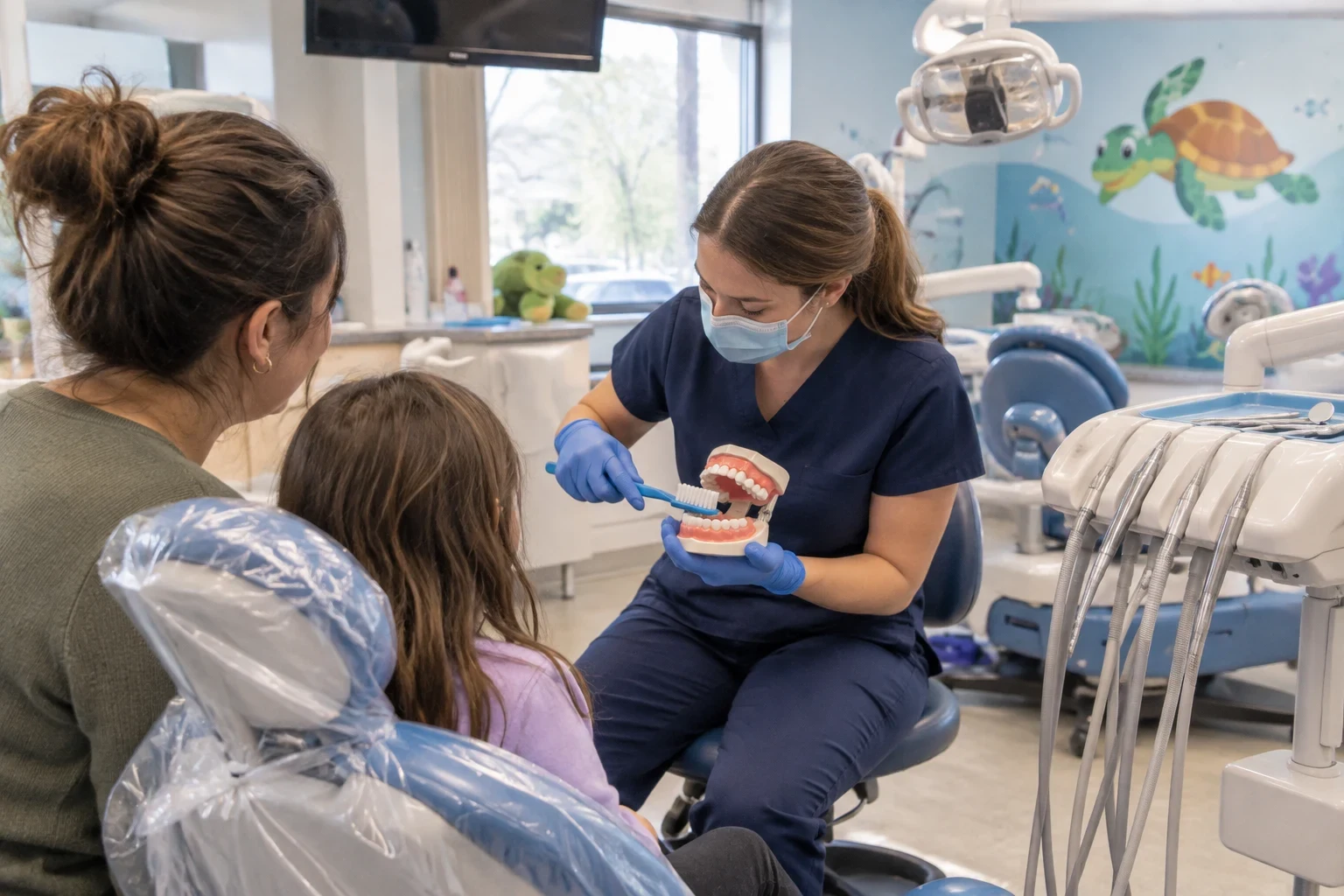
Over our 11+ years in practice, we have found that kids do best when the visit holds no surprises. We use simple, kid-friendly words for each step, and we give you the clinical version too.
What Your Child's Filling Visit Includes
A clear look at the cavity
We show you the X-ray or photo of the tooth and point out where the decay sits. You will know how deep it goes and how many surfaces of the tooth are involved.
Gentle numbing
We start with a flavored numbing gel on the gum so the next step is barely felt. Then a small amount of local anesthetic numbs the tooth itself for the work.
Careful removal of decay
Only the softened, damaged part of the tooth comes out. We keep as much healthy tooth as we can, because natural enamel is stronger than any material that replaces it.
Tooth-colored materials
Most fillings we place are composite resin, a tooth-colored material that bonds to the enamel. On certain primary teeth, glass ionomer can be the better pick, since it gives off small amounts of fluoride as the months go by. We tell you which one fits your child's tooth and the reason behind it.
Shaping and bite check
We shape the filling to match the natural grooves of the tooth and polish it smooth. Then your child bites on a thin paper strip so we can make sure nothing feels high or uneven.
Aftercare in writing
You leave with simple instructions for the rest of the day, including when your child can eat and what to watch for while the numbness wears off.
Signs Your Child May Need a Filling
- Sensitivity to sweets or cold
- A quick twinge with ice cream, juice or cold water can mean the enamel has worn through. Kids often describe it as a tooth that feels funny.
- White, brown or dark spots
- Chalky white patches are early weak spots. Brown or black areas, especially in the grooves of the back teeth, often mean decay has already started.
- Food catching between teeth
- If food keeps getting stuck in the same spot, there may be a cavity between two molars. These spots are hard to see without an X-ray.
- Chewing on one side
- Younger kids rarely say a tooth hurts. Instead, they may avoid one side of the mouth, eat more slowly or turn down foods they used to enjoy.
- A small hole or rough edge
- Your child's tongue often finds a cavity before you do. If they keep touching one tooth, ask them to show you where.
How the Appointment Goes
- 1
A calm start
Your child settles into the chair, and we explain the tools using kid-friendly names. Parents are welcome to stay close and hold a hand.
- 2
Numbing and quiet time
After the gel and local anesthetic, we give the tooth a few minutes to go fully numb. Many kids watch the ceiling or listen while they wait.
- 3
Cleaning and filling
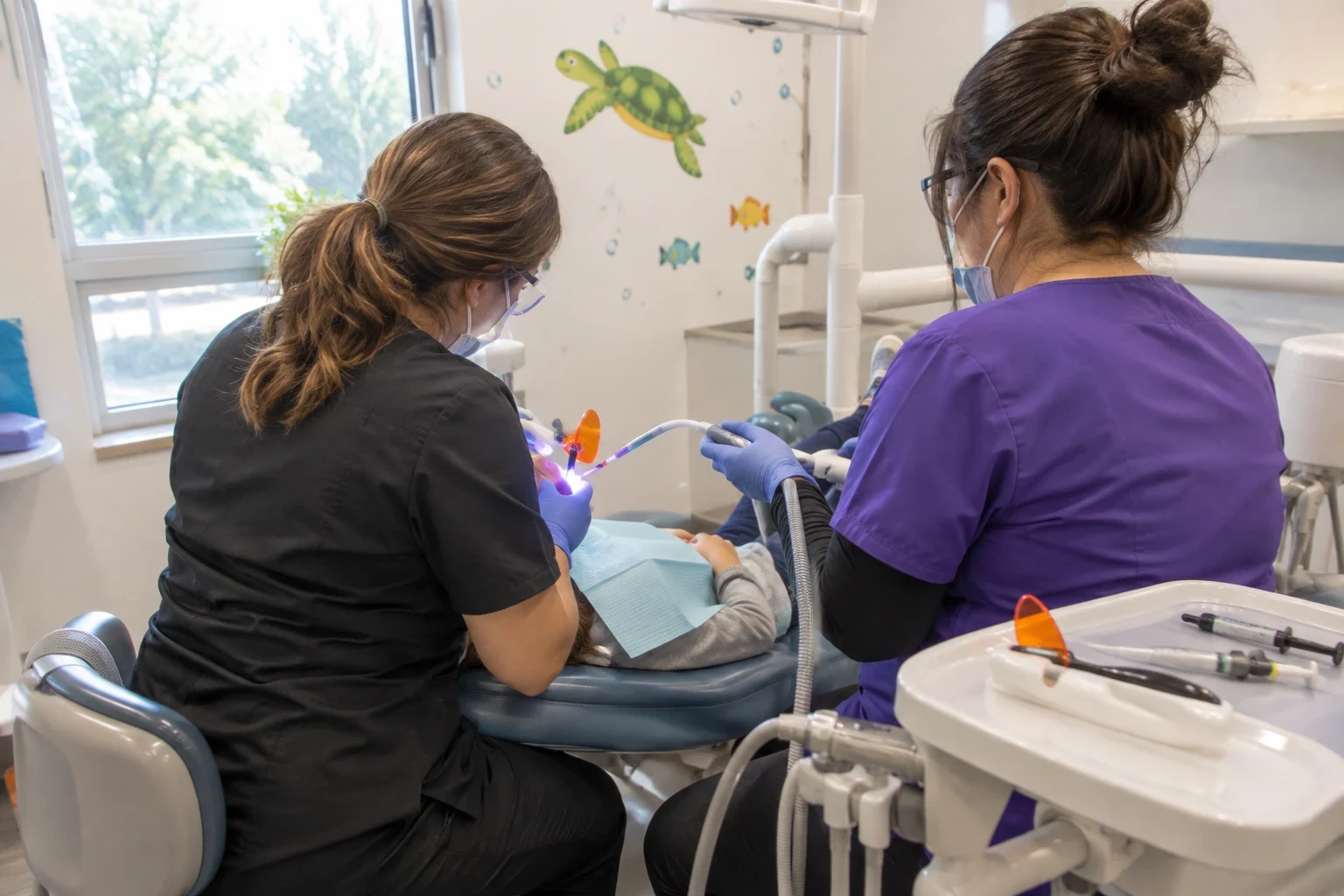
We remove the decay, then place the filling in thin layers and harden each one with a blue curing light. A single small filling usually takes well under an hour.
- 4
Polish and the rest of the day
We smooth the surface and check the bite. Lips and cheeks stay numb for a couple of hours, so watch that your child does not chew on them. Soft foods are best until the feeling comes back.
What Shapes the Cost of a Filling
You hear the cost of the filling before any work begins, so the choice stays with you. We do not use one set price, because no two teeth or cavities are quite alike. We accept MasterCard, Visa, Discover, most insurance plans and CareCredit Patient Payment Plan, so you can pay at the visit or spread the cost over time.
- Size and surfaces
- A shallow cavity on one face of the tooth needs less time and material than decay that wraps around two or three sides.
- How many teeth need care
- When more than one tooth has a cavity, we can treat them together or over two shorter appointments. The choice depends on how well your child handles a longer visit.
- Material choice
- Composite resin and glass ionomer carry different fees. We explain why one may be the better match for a particular tooth.
- Comfort needs
- Some kids need extra help staying relaxed in the chair. If sedation dentistry becomes part of the plan, it adds to the cost of the visit.
- Your insurance plan
- Plans differ in how they cover fillings. When you call, we can talk through what your plan usually pays toward this kind of treatment.
Questions Parents Ask About Fillings
- My child's tooth will come out someday. Is a filling really worth it?
- Often, yes. The back baby teeth tend to hold on until somewhere around age 10 to 12, which is a long time to live with a cavity. Left untreated, decay can reach the nerve and lead to pain or infection. If the tooth is lost early, the neighboring teeth can drift into the space the adult tooth will need.
- Will the filling hurt?
- Once the tooth is numb, most kids notice a buzzing sensation and some pushing, not pain. The brief sting of the anesthetic is usually what they remember, and the flavored gel takes the edge off it. The tooth can feel a bit sore for a day or two afterward.
- What if the cavity is too large for a filling?
- If decay has reached the inner part of the tooth, a filling alone may not hold. We may suggest treatment for the nerve, described on our Root Canals page, followed by a cap, which we cover on our Pediatric Crowns page. We go over each option with you before you decide.
- When can my child eat after a filling?
- Tooth-colored fillings are hardened by the curing light before your child leaves the chair. The real concern is the numbness, so hold off on anything firm until feeling comes back. Soft foods and lukewarm drinks work well for the first few hours.
- How can we avoid more cavities?
- Regular exams and cleanings catch weak spots early, often before they need a filling. Sealants protect the deep grooves of the back teeth, and fluoride treatment helps strengthen enamel. Brushing twice a day and cutting back on sipping juice between meals also make a real difference.
Ready to Take Care of That Cavity
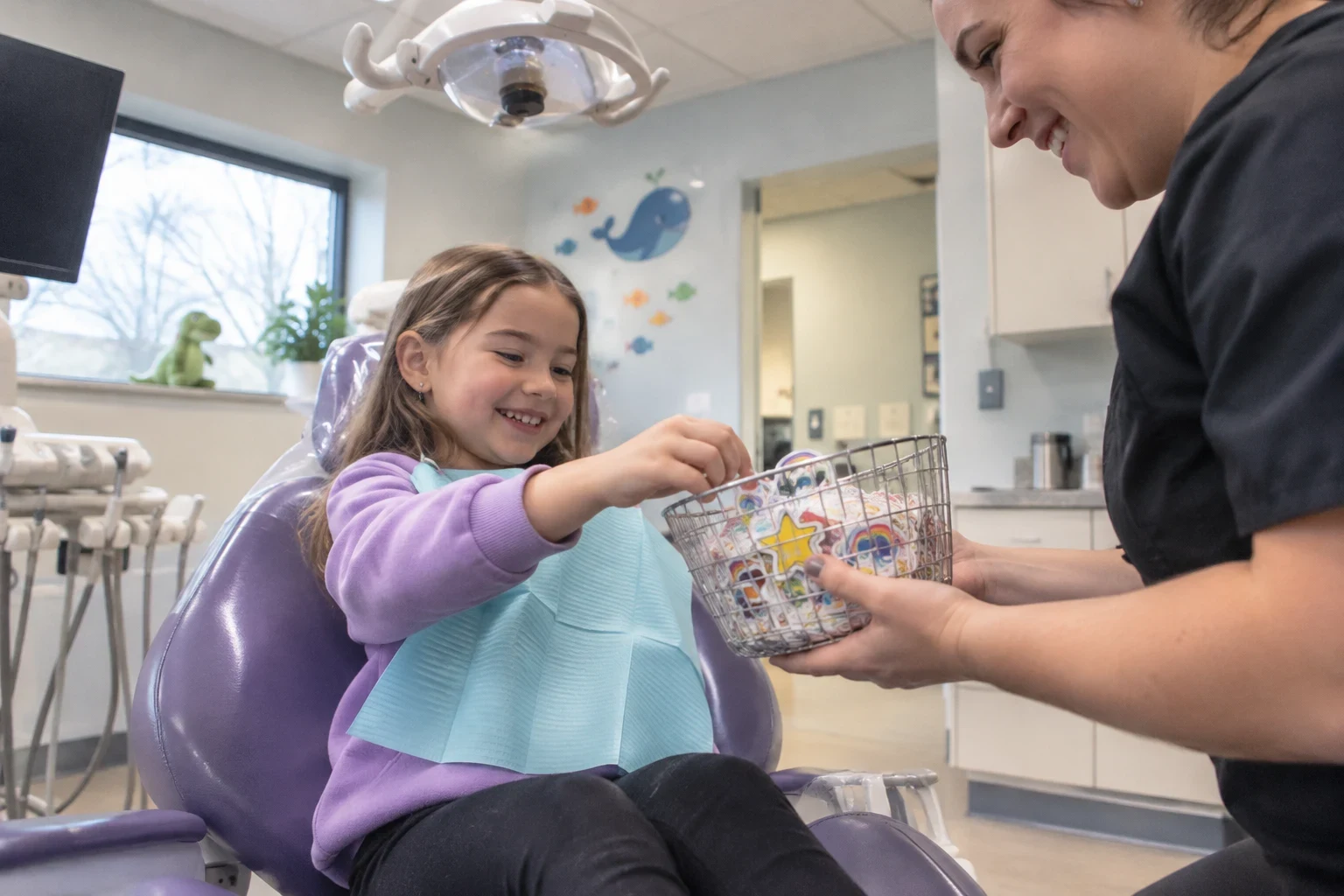
A short phone call sets up your child's visit, and we can register new patients at the same time. Families come to us from Marlborough, Hudson, Northborough and nearby towns.